The Power of Hope in the Andes

Hope is more than just a feeling—it is survival. In La Esperanza del Colla, hope becomes the driving force that sustains individuals and communities through hardship. Set against the backdrop of the Andean highlands, the novel portrays the emotional and cultural resilience of the Colla people. Through the protagonist’s journey, we see how hope is tied to identity, land, and tradition. Despite poverty, discrimination, and social challenges, the characters continue to dream of dignity and progress. The novel reminds readers that hope is not passive; it demands courage, persistence, and faith in a better tomorrow. This story speaks to anyone who has ever faced adversity and chosen to rise instead of surrender.
Cultural Identity and Indigenous Pride
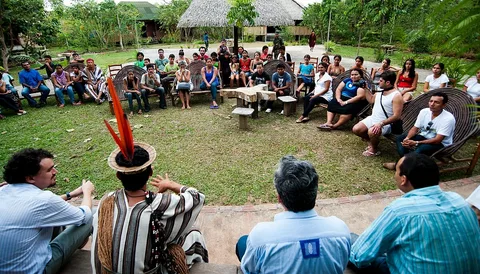
One of the most powerful aspects of the novel is its deep connection to indigenous heritage. The story highlights the traditions, values, and worldview of the Colla community, emphasizing the importance of cultural preservation. The narrative illustrates how language, customs, and ancestral wisdom shape identity. In a rapidly modernizing world, maintaining cultural roots can feel like an uphill battle. Yet the novel celebrates the strength found in honoring one’s origins. Readers are invited to reflect on their own heritage and the role it plays in shaping who they are. Cultural pride is not about exclusion—it is about recognition, respect, and continuity.
Overcoming Social and Economic Struggles

The book does not shy away from portraying harsh realities. Poverty, inequality, and marginalization form part of the protagonist’s environment. However, instead of presenting these challenges as barriers, the story frames them as catalysts for growth. The journey demonstrates that resilience is built through hardship. Determination, education, and community solidarity become tools for transformation. The novel subtly encourages readers to question social systems while also inspiring personal responsibility and perseverance. This theme makes the story relatable to readers worldwide, as struggles for opportunity and fairness are universal.
The Importance of Community and Solidarity

At its heart, the novel is not just about one individual—it is about a people. Community bonds play a crucial role in shaping the direction of the story. Family support, shared traditions, and collective values provide strength during difficult times. The Colla community is portrayed as interconnected, where each individual’s success or hardship affects the whole. This perspective challenges modern individualism and highlights the beauty of unity and cooperation. In a time when many feel isolated, the message is clear: progress is stronger when achieved together.